
The Art of the Layered Home
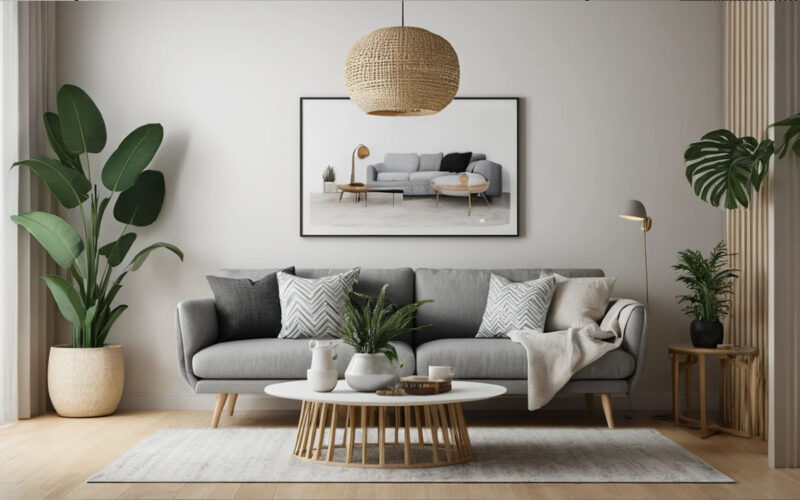
A Guide to Interior Decoration Categories
In the modern world of interior design, we have moved past the era of “filling a room” and entered the era of intentional curation. At intdesco.com, we believe that a truly beautiful space isn’t defined by how much furniture you have, but by the “soul” of the room—the final layers of decoration that transform a structural space into a personal sanctuary. Whether you are building an affiliate brand or designing your own home, understanding how to categorize and layer these items is the difference between a cluttered house and a curated home.
To master the art of the interior, we must look at the five primary categories that define a balanced, gallery-style environment. By viewing your home through these lenses, you can move from “shopping” to “collecting” with precision.
1. Sculptural & Three-Dimensional Objects: The Visual Anchors
The most significant shift in modern curation is the rise of the sculptural object. These are items that occupy physical space and demand to be seen from every angle, acting as the “third dimension” of your interior.
The “Hero” Piece
Every room requires a “hero” object—a piece that possesses enough gravity to anchor the energy of the room.
-
The Pedestal Rule: To give a sculpture the respect it deserves, place it on a dedicated plinth or a minimalist side table. This elevates the piece to eye level and creates a “museum moment” in your living space.
-
Material Integrity: In 2026, authenticity is the highest form of luxury. We prioritize solid woods (such as walnut or oak), genuine stone, and cast metals over resin or plastic imitations.
The Power of Silhouette
When selecting these items, consider the silhouette they cast against your walls. In a room dominated by the straight lines of sofas and bookshelves, a curved, organic sculpture provides a necessary visual break that softens the atmosphere.
2. Artful & Ambient Lighting: The Jewelry of the Room
Lighting is no longer just a utility; it is the architecture of atmosphere. In a curated home, the fixture itself is a decoration item that should look like a sculpture even when it is turned off.
The Three-Layer Blueprint
-
Ambient Lighting: This is the general wash that fills the room. It should feel vibrant rather than clinical.
-
Task Lighting: Focused light for specific activities. The trend for 2026 includes portable, battery-operated LED lamps that allow you to add a pool of light to a bookshelf or a dark corner without the clutter of cords.
-
Accent Lighting: This is the gallery layer. It is used to highlight other decor items, creating “chiaroscuro”—the dramatic play between light and shadow—which adds instant depth to your curation.
3. Soft Architecture: The Layering of Textiles
Textiles act as the “soft architecture” of a room. They provide the tactile comfort that makes a high-design gallery space actually liveable.
Designing for the Body
-
Contrast is Key: The secret to a sophisticated interior is textural layering. If your sofa is smooth leather, decorate it with a high-pile wool throw or a bouclé cushion.
-
Natural Fibers: Lean toward biophilic materials such as woven jute, irregular linen, and organic cotton to add a layer of “nature-first” honesty to your space.
-
Grounding Elements: A large rug should act as a foundation for a conversation area. A common design tip is ensuring all major furniture legs sit on the rug to prevent the space from feeling disjointed.
4. Two-Dimensional Wall Curation: Establishing the Narrative
Your walls are the primary canvas for your personal brand. A curated wall collection establishes the color palette and emotional tone for the entire room.
The Modern Heritage Look
A timeless trend is the Modern Heritage aesthetic, which bridges the gap between old-world craftsmanship and contemporary living.
-
The Anchor Print: Start with one large-scale piece of photography or art to establish the gravity of the collection.
-
The Frame Mix: Mix contemporary black-and-white photography with ornate gold or deep walnut frames. This blend of materials makes the collection feel collected over decades rather than bought in a single afternoon.
-
Scale and Proportion: Your primary art piece should span about 60–70% of the width of your sofa to maintain visual balance.
5. Biophilic & Living Decor: The Dynamic Layer
No room is truly complete without a living element. Plants are the only decoration items that grow and change with you, adding dynamic energy to the home.
Statuesque Greenery
-
Living Statues: Large-scale plants like a Fiddle Leaf Fig or a sculptural Olive Tree act as living sculptures.
-
The Vessel Matters: The pot is as important as the plant itself. A weathered terracotta pot adds a sense of history, while a matte ceramic planter supports a minimalist aesthetic.
-
Organic Accents: Incorporate driftwood, river stones, or woven rattan to bring the textures of the outdoors inside, grounding your environment.
The Curation Filter: How to Choose
To avoid visual clutter, every new item should pass through a Curation Filter before entering your space:
-
Material Vetting: Is it made of real wood, stone, or metal? Does it have the weight of quality?
-
Aesthetic Harmony: Does this item complement your existing “design story,” such as Minimalist or Modern Heritage?
-
The Soul Test: Does the object evoke an emotion or represent a memory?
Final Thoughts: The Art of the Edit
The final step in decorating is the edit. A true curator knows when to stop. By categorizing your items into these five groups—Sculptural, Lighting, Textiles, Wall Art, and Biophilic—you can ensure your home feels layered, intentional, and uniquely yours.
At intdesco.com, we believe you don’t need more “stuff”—you need more soul. Master these categories, and you will master your space.


