
The Art of Small Space Living
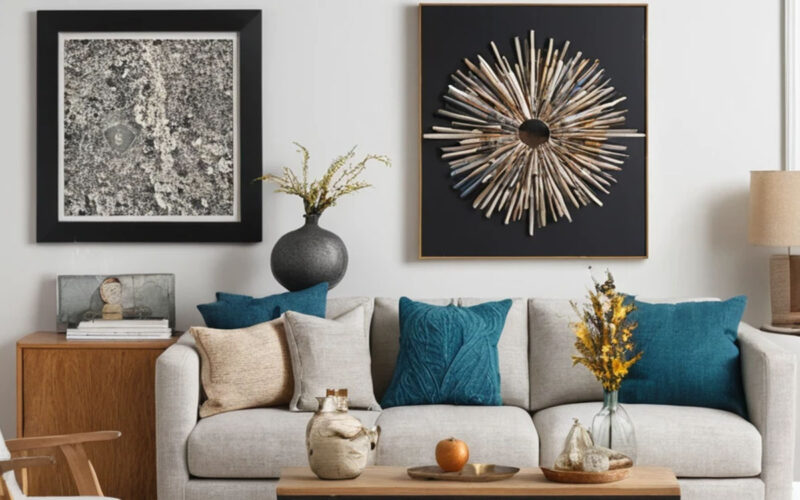
Small Apartment Decoration
In the high-velocity urban landscapes of 2026, the luxury of sprawling square footage is becoming increasingly rare. However, at intdesco.com, we believe that a lack of space is never a limitation—it is a creative invitation to excellence. Small apartment decoration is no longer about “making do” with less; it is an act of intentional curation, where every square inch is sculpted to support a “Functional Cocoon” of peace and productivity.
To master the micro-home, you must move beyond generic storage hacks and begin applying the principles of material integrity, scale, and affective ergonomics. Here is how to transform a compact dwelling into a soulful, high-design sanctuary.
1. Defining the Atmospheric Algorithm
Before you purchase a single furniture piece, you must identify the “soul” of your apartment. In our Design Education series, we focus on the Design Algorithm—the mental filter through which you view your space to influence your mood and mental well-being.
-
Warm Minimalism: This is the gold standard for small spaces. It utilizes a palette of grounded, earthy tones like sand, sage, and terracotta. By restricting the color palette, you reduce visual “noise,” allowing the room to feel expansive and quiet.
-
Modern Heritage: For an apartment that feels “collected” rather than “bought,” bridge the gap between old-world craftsmanship and modern functionality. This involves pairing a classic, hand-carved walnut desk with sleek, smart-integrated lighting, creating a narrative that spans generations.
2. Sculptural Furniture: The Third Dimension
In a small apartment, furniture cannot simply be functional; it must be a sculptural object. When space is limited, we move away from “filling” the room and toward “anchoring” it.
The “Hero” Piece
Every small room needs a “Hero”—a single item with enough visual weight to ground the energy of the space.
-
Silhouette over Bulk: Choose furniture with clear, interesting silhouettes. A sofa with slim legs or an organic, curved armchair provides a visual “break” that softens the room’s atmosphere without blocking the sightlines.
-
Material Integrity: Luxury in 2026 is defined by authenticity. We prioritize solid woods, genuine stone, and cast metals over resin or plastic imitations. A single marble-topped bistro table carries more design “gravity” than several pieces of synthetic furniture.
3. The Architecture of Light and Focus
Lighting is the architectural element that defines the boundaries of a small apartment. Without proper layering, a compact room can quickly feel like a “cave”.
-
Ambient and Task Lighting: Use a soft, general wash of light to make the space feel vibrant and safe. For specific activities, we recommend high-design, battery-operated LED lamps. These allow you to add pools of light to a bookshelf or a dark corner without the visual clutter of cords.
-
Chiaroscuro: Use directional accent lighting to create a play between light and shadow—chiaroscuro. This adds instant depth and perceived value to your curated items, making even a tiny studio feel like a sophisticated gallery.
4. Scale, Proportion, and the “Architectural Lift”
The most common “amateur” mistake in small apartment decoration is a failure of scale. Using many small items creates visual clutter; instead, use fewer, larger items to ground the space.
-
The Height Rule: To create an “architectural lift,” always hang your curtain rods as high as possible—ideally just below the ceiling. This draws the eye upward, making the room feel significantly taller.
-
The Golden Ratio for Art: When hanging art, ensure the primary piece spans roughly 60–70% of the width of the furniture below it. This maintains geometric balance and prevents the wall from feeling overwhelmed or empty.
-
The Power of the Edit: A true curator knows when to stop. Give your objects and furniture “white space” to breathe. If an item doesn’t serve a functional purpose or evoke an emotion, it has no place in the sanctuary.
5. Biophilic Organicism: The Living Layer
No sanctuary is complete without a living element to ground the environment in natural rhythms.
-
Living Statues: In a small corner, a single large-scale plant like an olive tree or a fiddle leaf fig acts as a living sculpture. It provides an organic contrast to the straight lines of apartment architecture.
-
Tactile Honesty: Incorporate textures like woven jute, raw rattan, and natural stone. These materials engage the sense of touch and provide a “nature-first” honesty to your curation.
The Curation Filter: How to Choose for Your Space
At intdesco.com, we advocate for a “Buy Once, Love Forever” philosophy. Before adding a new decoration item to your small apartment, pass it through our Vetting Process:
-
Material Vetting: Is it made of honest, real materials like solid wood or stone?
-
Aesthetic Harmony: Does it complement your design story, whether it is Warm Minimalism or Modern Heritage?
-
The Soul Test: Does the object evoke a specific emotion or represent a meaningful memory?
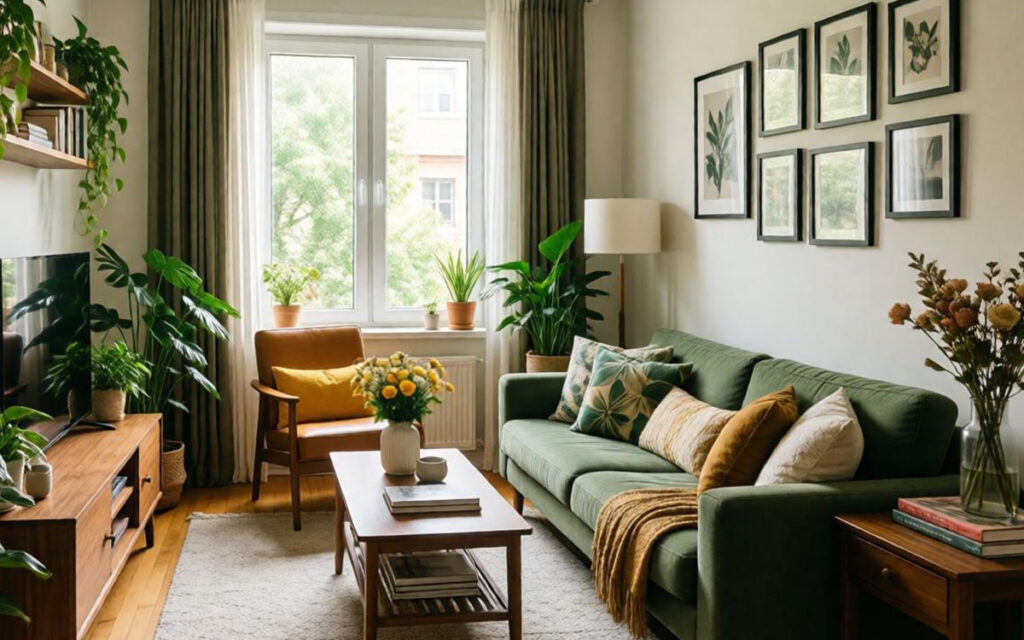 Final Thoughts: A Masterpiece in Miniature
Your small apartment is an evolving exhibition of your life. It is the backdrop for your daily rituals and your most important moments of reflection. By focusing on quality, scale, and the intentional curation of light, you aren’t just decorating a room; you are sculpting an environment that inspires, grounds, and elevates.
Master the art of the micro-home, and you master the art of intentional living. Explore our latest Design Tips and curated collections at intdesco.com to find the pieces that resonate with your story.


