
The Soul of the Space
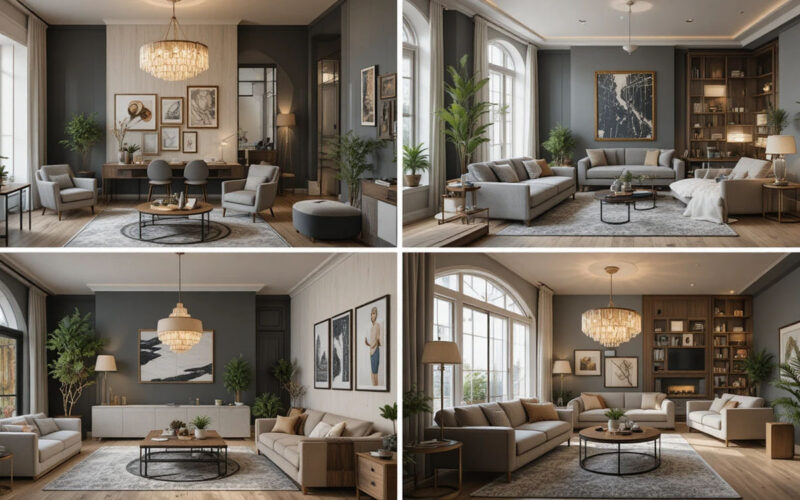
A Definitive Guide to Modern Interior Themes
In the world of interior design, a theme is more than just a style; it is the “soul” of the room—the invisible thread that pulls together architecture, furniture, and personal expression. By 2026, the industry has shifted away from generic, “off-the-shelf” looks toward intentional curation, where homeowners act as curators of their own domestic galleries.
At intdesco.com, we believe that selecting an interior theme is a process of defining your personal brand within your four walls. Whether you are drawn to the quiet strength of stone or the tactile warmth of walnut, understanding the core themes of modern design is the first step toward mastering your space.
1. Warm Minimalism: The “Functional Cocoon”
Minimalism in 2026 is no longer about stark white walls and cold surfaces. Instead, it has evolved into Warm Minimalism, a theme designed for deep relaxation and low-stimulus environments.
-
The Palette: This theme relies on grounded, earthy tones like terracotta, sage, sand, and cream.
-
The Materiality: To prevent a minimalist space from feeling “dead,” you must focus on texture. We advocate for the use of high-quality materials like solid oak, matte ceramics, and high-pile wool rugs.
-
The Philosophy: Every object must pass through a “Curation Filter”. If an item doesn’t have material integrity or evoke a specific emotion, it has no place in the cocoon.
2. Modern Heritage: Bridging Time
The Modern Heritage theme is a favorite at intdesco.com because it creates a home that feels “collected” rather than “bought”. It bridges the gap between old-world craftsmanship and high-tech modern living.
-
The Mix: This theme is defined by the “high-low” contrast—placing a traditional, hand-carved stone bust next to a sleek, smart-integrated LED lamp.
-
The Gallery Wall: Modern Heritage thrives on a diverse wall curation. Mix contemporary black-and-white photography with ornate gold or deep walnut frames to tell a story that spans decades.
-
The Furniture: Look for pieces that possess “heritage” silhouettes but are updated with modern fabrics like bouclé or performance linens.
3. Biophilic Organicism: Living with Nature
Following the global movement toward wellness, Biophilic Organicism uses the irregular and beautiful forms found in the wild to ground a home’s energy.
-
Sculptural Nature: Decoration items in this theme mimic the outdoors—think driftwood installations, smooth river stone stacks, or vases that look pulled from the ocean floor.
-
Living Statues: In this theme, plants are treated as living sculptures. Large-scale greenery like an olive tree or a fiddle leaf fig acts as a dynamic focal point that grows with you.
-
Tactile Honesty: Materials like woven jute, raw rattan, and cork are essential. These textures engage the sense of touch and remind us of our connection to the earth.
4. Textured Maximalism: The Art of the Object
For those who find minimalism too quiet, Textured Maximalism offers a way to layer items without creating mess. It is the intentional display of a “cabinet of curiosities”.
-
Layering for Depth: This theme is about the “third dimension”. It uses 3D wall panels, oversized glass knots, and mixed-media tabletop pieces to create visual rhythm.
-
The Focal Point: Even in a maximalist room, you need a “hero” object—a sculpture or large art piece—to anchor the space and give the eye a place to rest.
-
Lighting as Art: In this theme, the light fixture itself is a decoration. Sculptural lamps that look like art even when turned off are critical to the atmosphere.
How to Choose Your Theme: The Intdesco Methodology
Choosing a theme isn’t just about picking a picture from a magazine; it’s about Affective Ergonomics—understanding how a room makes you feel.
1. Identify Your Filter
Are you designing for high energy (vibrant colors, sharp lines) or low stimulus (muted tones, soft curves)? Your choice of lighting, scale, and material will be radically different for each.
2. Master Scale and Proportion
Regardless of the theme, “scale” is the foundation. A rug that is too small or a coffee table that is too high will disrupt the room’s gravity. For example, your primary art piece should span roughly 60-70% of your sofa’s width to maintain geometric balance.
3. Layer Your Lighting
Lighting is the architecture of atmosphere. Use Chiaroscuro—the dramatic play between light and dark—to add depth to your chosen theme. Directional spotlights on sculptural items can make even a simple room feel like a high-end gallery.
Final Thoughts: The Evolving Home
An interior theme should never be static. Your home is an evolving exhibition of your life. By starting with a strong thematic foundation—whether it’s the quiet of Warm Minimalism or the history of Modern Heritage—you create a space that can grow, breathe, and adapt to your story.
At intdesco.com, we provide the design education and vetted curation to help you find that soul. Don’t just decorate; sculpt an environment that represents the best version of you.


