
Design Styles
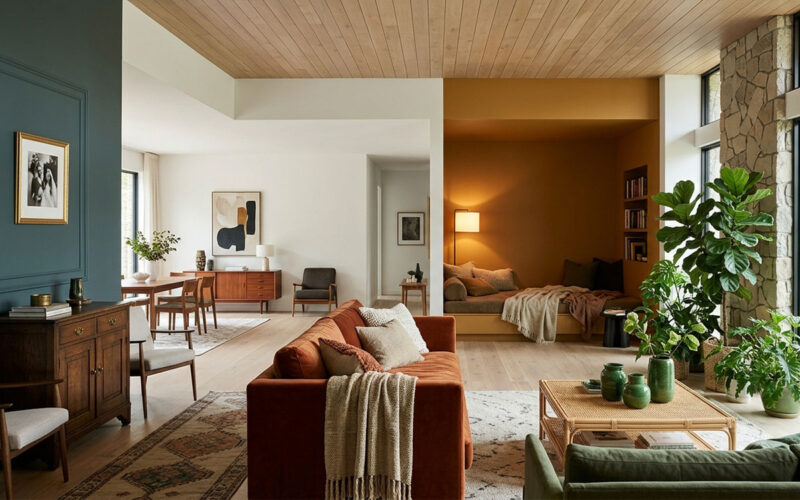
Shopping by aesthetic isn’t just about picking a “look”—it’s about selecting a lifestyle. In 2026, the shift is moving away from stark, cold minimalism toward layered, soulful spaces that prioritize comfort and personal meaning.
Here is how you can categorize your collections to help your visitors find their perfect match.
1. Modern Heritage: The New Classic
Modern Heritage is one of the most defining movements of 2026. It bridges the gap between past and present by blending historical architectural details with contemporary materials.
-
The Vibe: Authentic, nostalgic, and deeply personal.
-
Key Elements: Antique case pieces, classic moldings, and rich wood tones paired with modern hardware.
-
Why It Works: It honors craftsmanship while ensuring the home feels fresh and highly livable.
2. Biophilic Maximalism: Nature Unleashed
As we move away from strict minimalism, our desire to bring the outdoors in has evolved into “Biophilic Maximalism”.
-
The Vibe: Lush, textural, and vibrant.
-
Key Elements: Sustainable materials like wood, stone, jute, and bamboo combined with an abundance of indoor greenery and irregular, organic shapes.
-
Design Tip: Maximize natural light and use textiles like linen and rattan to create an eco-conscious layout.
3. Textured Maximalism: Livable Luxury
For those who want comfort without sacrificing style, Textured Maximalism—also known as “livable luxury”—is the go-to aesthetic.
-
The Vibe: Warm, refined, and relaxed.
-
Key Elements: A mix of patterns and high-quality materials like velvet, silk, and boucle.
-
Why It Works: It prioritizes longevity and craftsmanship over fleeting trends, resulting in a space that feels curated but still suitable for everyday life.
4. The “Functional Cocoon” (Mood-Driven Design)
This aesthetic focuses on the emotional impact of a space, using “color-drenching” to create immersive environments.
-
The Vibe: Grounded, peaceful, and atmospheric.
-
Key Elements: Earthy color palettes including ochre, olive, terracotta, and deep moody tones like charcoal or softened black.
-
Design Tip: Paint the walls, ceiling, and trim in a cohesive hue to create a space made for winding down, such as a bedroom or lounge.
5. Warm Minimalism (The “Soulful” Update)
Classic minimalism is evolving into Warm Minimalism, replacing cold, sterile layouts with identity and soul.
-
The Palette: Crème neutrals and “Cremèle” whites that provide a mindful backdrop.
-
The Materials: Untreated wood, stone, and sensory surfaces that engage the touch.
-
Key Products: Low-profile furniture with smooth, gentle lines and soft pastels.
-
Affiliate Strategy: Focus on “algorithmic ergonomics”—furniture that is built for sinking into, like deep, rounded “fat” chairs.
6. Modern Heritage (The Storyteller)
This aesthetic is 2026’s most defining movement, bridging the gap between historical character and modern comfort.
-
The Look: Blending classic moldings and traditional silhouettes with updated materials and bold hardware.
-
The Strategy: Use one or two vintage or antique pieces mixed with contemporary furnishings to avoid an “overly traditional” museum feel.
-
Key Elements: Dark wood finishes like walnut, mahogany, and smoked oak are making a major comeback to add visual weight.
-
Curated Content: Frame this as “Collectible Design,” where historic re-editions act as anchors for the room.
7. Biophilic & Organic Contemporary
This is no longer just about adding a plant; it is a “nature-first” reset of the home.
-
The Vibe: Explicitly incorporating indoor greenery, living walls, and hydroponic garden systems.
-
Organic Forms: Organically flowing wooden silhouettes and irregular shapes that mimic nature’s imperfections.
-
Materials: Cork carved to mimic water, plaster walls etched like bark, and rugs woven to echo windblown grass.
-
Affiliate Hook: Promote smart, AI-powered indoor gardens and digital panels that display dynamic architectural visuals or nature photography.
8. “Color-Forward” & Mood-Driven Design
Moving away from safe greys, 2026 is seeing a “Clay and Terracotta Revival”.
-
The Technique: Color-drenching, where walls, ceilings, and furniture share one cohesive, deeply atmospheric hue.
-
The Colors: Earth-based shades like ochre, olive, burnt orange, and “muddy blues” that offer depth and a grounded atmosphere.
-
The Contrast: Use electric saturation—splashes of bright, high-energy colors—to break up monochrome interiors.
9. European Postmodernism (The “New Retro”)
While Mid-Century Modern dominated for years, the focus has shifted to the bold, space-age silhouettes of the 70s through the early 90s.
-
Iconic Pieces: Modular bouclé sofas (like the Mario Bellini or Togo chairs) and fiberglass coffee tables.
-
Materials: Stainless steel and animal prints (leopard, zebra, dalmatian) across soft furnishings like rugs and cushions.
-
Styling: This look is cool and confident, using sculptural lighting fixtures as the “jewelry” of the home.
Why Shop by Aesthetic?
When your visitors shop by aesthetic, they are essentially using a “Design Filter” that saves them time and prevents costly mistakes.
-
Consistency: Every piece in a curated aesthetic category is vetted to work in harmony, ensuring a cohesive brand story for their home.
-
Expert Insight: Curation allows you to provide professional-level design kits and mood board previews that help customers visualize the final result.
-
Value: It elevates the perceived value of the products, making them feel like investment pieces rather than just random purchases.
Which aesthetic speaks to you? Whether you’re drawn to the warmth of Modern Heritage or the vibrant life of Biophilic Maximalism, our curated bundles are here to help you bring your vision to life.


