
The Soul of the Space
A Definitive Guide to Curation with Interior Decoration Items
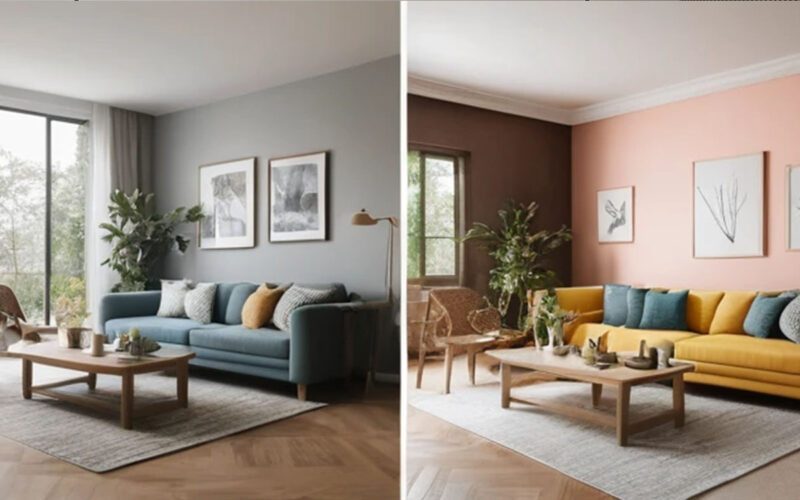
In the world of interior design, if furniture is the skeleton and walls are the skin, then decoration items are the soul. They are the final layer of storytelling that transforms a house into a home and a room into a curated experience. By 2026, the trend of mass-produced, generic decor has been replaced by a movement toward intentional curation—the art of choosing objects that possess both aesthetic beauty and narrative weight.
At intdesco.com, we view decoration not as “filling space,” but as a process of adding character. Whether you are a minimalist looking for that one perfect “hero” object or a lover of textured maximalism, understanding how to select and place decoration items is the key to mastering your interior.
1. Sculptural Objects: The Three-Dimensional Narrative
The most significant shift in modern decor is the rise of the sculptural object. We are moving beyond the two-dimensional wall to include items that occupy physical space and demand to be seen from every angle.
The “Hero” Piece
Every room should have at least one sculptural item that acts as a focal point. This could be a hand-carved wooden abstract, a heavy marble bust, or a sleek, space-age metallic form.
-
Placement: A hero piece deserves its own “museum moment.” Placing a sculpture on a dedicated plinth or a minimalist side table gives it the visual respect it requires.
-
Material Integrity: In 2026, authenticity is luxury. We prioritize solid woods like walnut and oak, genuine stone, and cast metals over resin or plastic imitations.
The Power of Silhouette
When selecting decoration items, consider the silhouette they cast. In a room dominated by the straight lines of sofas and bookshelves, an organic, curved sculpture provides a necessary visual “break” that softens the entire atmosphere.
2. Artful Lighting as Decoration
In a curated home, lighting is no longer just a utility; the fixture itself is a decoration item. The trend of “Quiet Technology” means that our lamps and light sources are designed to look like sculptures when they are turned off.
-
Portable Glow: Battery-operated, high-design LED lamps have become essential decoration items. They allow you to place a “pool of light” on a bookshelf or a dark corner without the clutter of cords.
-
Texture through Light: Use lighting to highlight the textures of other decor items. A directional spotlight on a textured ceramic vase creates deep shadows, adding a sense of drama and perceived value to the object.
 3. Textiles: The Soft Architecture
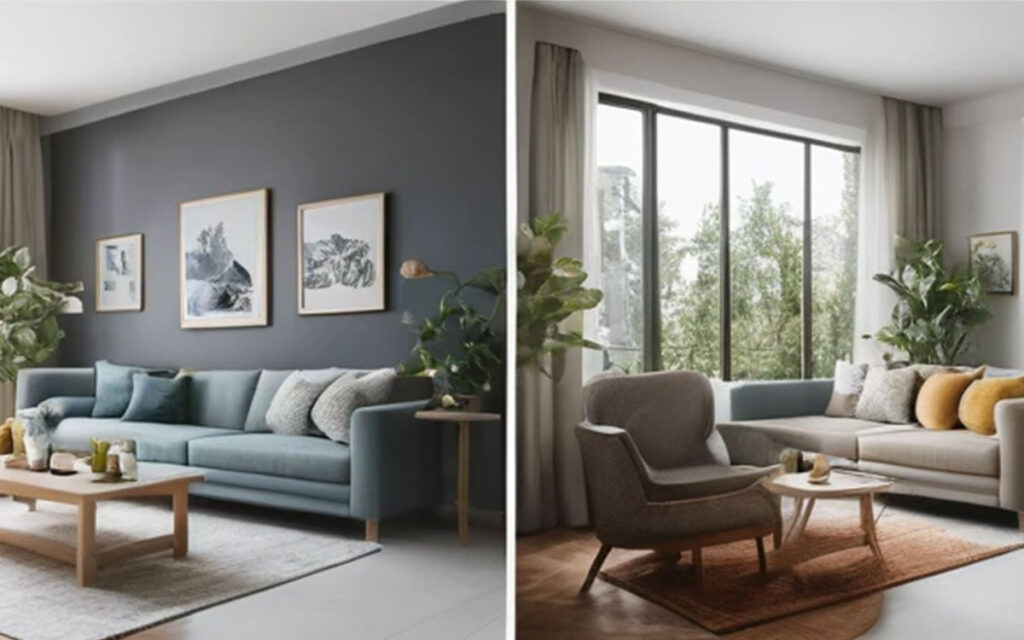
Decoration items aren’t always hard surfaces. Textiles—cushions, throws, and rugs—act as the “soft architecture” of a room, providing the tactile comfort that makes a space liveable.
Layering for Depth
The secret to a 2026-style interior is textural layering.
-
Contrast: If your sofa is a smooth leather, decorate it with a high-pile wool throw or a bouclé cushion.
-
Natural Fibers: We lean heavily toward biophilic materials. Woven jute, irregular linen, and organic cotton add a layer of “nature-first” honesty to your curation.
4. The Gallery Wall: Curating Two Dimensions
While sculptures add depth, your walls provide the primary canvas for your personal brand. A curated gallery wall is one of the most effective ways to use decoration items to tell a story.
-
The Anchor Print: Start with one large-scale piece of photography or art that establishes the color palette.
-
The Frame Mix: For a “Modern Heritage” look, mix contemporary black-and-white photography with ornate gold or deep walnut frames. This blend of old and new makes the collection feel like it was built over decades rather than bought in an afternoon.
5. Greenery: The Living Decoration
No room is complete without a biophilic element. Plants are the only decoration items that grow and change with you, adding a dynamic energy to the space.
-
Statuesque Greenery: Large-scale plants like a Fiddle Leaf Fig or a sculptural Olive Tree act as living statues.
-
Vessel Choice: The pot is just as important as the plant. A weathered terracotta pot adds a “Modern Heritage” feel, while a sleek, matte ceramic planter fits a minimalist aesthetic.
How to Shop: The Curation Filter
At intdesco.com, we advocate for a “Buy Once, Love Forever” philosophy. When shopping for interior decoration items, we recommend passing every item through a Curation Filter:
-
Material Vetting: Is it made of real wood, stone, or metal? Does it have the weight and feel of quality?
-
Aesthetic Harmony: Does this item complement your existing “design story,” or is it just a fleeting trend?
-
The “Soul” Test: Does the object evoke an emotion or represent a memory?
By 2026, the most beautiful homes aren’t those with the most “stuff”—they are the ones with the most intention. Every vase, every book, and every sculpture is a conscious choice that contributes to a larger atmospheric whole.
Final Thoughts: The Art of the Edit
The final step in decorating with items is the edit. A common mistake is over-accessorizing. A true curator knows when to stop. Give your decoration items room to breathe. Use “white space” on your shelves and tables to ensure that the objects you do choose can truly shine.
Your home is an evolving exhibition of your life. By choosing high-quality, authentic decoration items, you aren’t just filling a room—you are sculpting an environment that inspires, grounds, and represents the very best of you.


